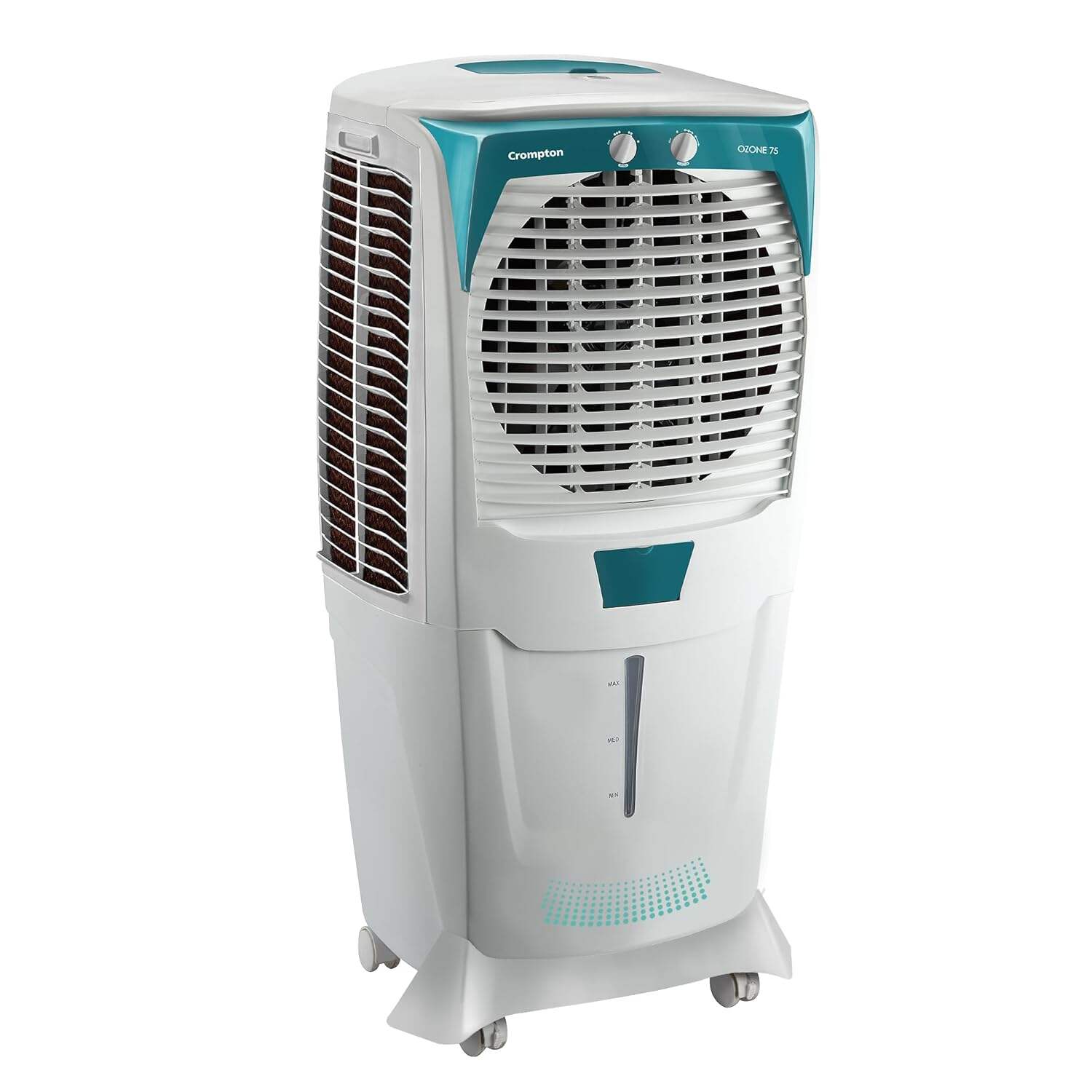
Best Air Cooler for Hot Weather in 2026
During summer many people search for the Best Air Cooler for Hot Weather in 2026 to stay comfortable without spending too much on air conditioning. Air coolers are popular because they use water circulation to cool the air and consume much less power than AC units. However, before buying any cooler it is important to understand how they actually work and where they perform best. Air coolers need proper ventilation and work better in dry climates compared to humid areas. Many people buy a cooler without knowing these basics and later feel disappointed. Understanding room size, tank capacity, airflow, and cooling technology helps you choose the Best Cooler for Hot Weather in 2026 for your home.
Understanding Air Cooler Basics
Air coolers operate using evaporative cooling. Water circulates through cooling pads and air passes through them to create cool airflow inside the room.
Air Coolers Are Naturally Noisy
Air coolers are noisy machines. Some brands claim that their coolers are silent, but the truth is that all air coolers produce some level of sound during operation.
This noise happens because the fan or blower circulates air through cooling pads and pushes it into the room. The sound level may differ between models, but complete silence is not possible in most coolers.
Cooling Works Best Below 45°C
Air coolers work effectively when the temperature is below 40 to 45°C. Within this range the evaporative cooling process works properly and produces noticeable cooling.
When temperatures go above this range, cooling efficiency becomes weaker. The cooler will still run but the cooling effect may feel less powerful compared to moderate temperatures.
Climate and Humidity Conditions
Climate plays a major role in deciding whether an air cooler will work well in your home or not.
Air Coolers Increase Room Humidity
Air coolers increase humidity in the room because they use water evaporation for cooling. This process releases moisture into the surrounding air.
Because of this, rooms may feel slightly humid after long hours of use. This effect is normal and part of the cooling method used by air coolers.
High Humidity Areas May Not Suit Coolers
If you live in coastal areas or places where humidity levels are already high, air coolers may not perform well.
In such locations the air already contains moisture, which reduces evaporation. In these cases many people consider air conditioners instead of air coolers.
Choosing the Right Type of Cooler
Selecting the correct type of cooler is important when looking for the Best Cooler for Hot Weather in 2026.
Personal and Tower Air Coolers
Personal and tower air coolers work best for small to medium rooms. They are suitable for spaces up to about 300 square feet.
Personal coolers usually have water tank capacities from around 16 liters to about 50 or 55 liters. A capacity of around 35 liters is considered a good balance for many users.
Desert Air Coolers for Large Areas
Desert air coolers are larger and designed for bigger rooms or outdoor spaces.
These models usually have tank capacities above 75 to 100 liters. They are suitable when cooling larger spaces where smaller coolers cannot provide enough airflow.
Cooling Performance and Air Delivery
Cooling efficiency depends heavily on airflow and air delivery rate.
Understanding Air Delivery Rate
The air delivery rate determines how quickly cool air circulates inside a room. Higher air delivery usually means stronger cooling performance.
For personal air coolers used in rooms around 150 square feet, an air delivery rate of around 1250 cubic meters per hour is generally considered effective.
Fan Based vs Blower Based Cooling
Fan based air coolers distribute air more evenly across the entire room. They are usually preferred for full room cooling.
Blower based coolers provide directed airflow. They cool specific areas faster but tend to be louder compared to fan based coolers.
How to keep House Cool without AC in Summer
Features, Maintenance and Power Usage
Modern air coolers include several features that improve cooling performance and usability.
Honeycomb Cooling Pads
Most modern air coolers now use honeycomb cooling pads made from cellulose material. These pads hold water effectively and improve cooling efficiency.
Earlier coolers used wood wool or aspen pads which required frequent maintenance and could develop mold or bacteria.
Power Consumption and Safety Features
Air coolers consume more power than fans but much less electricity compared to air conditioners.
Personal coolers usually consume less than 150 watts while desert coolers consume around 200 watts. Many coolers also include features like water level indicators, overflow protection, inverter support, and thermal overload protection.
Which is the best Air Cooler vs Air Conditioner
Frequently Asked Questions
Do air coolers work in humid climates?
Air coolers work best in dry climates. In high humidity areas cooling efficiency becomes lower because evaporation slows down.
Are air coolers completely silent?
No. All air coolers produce some noise because fans or blowers circulate air through cooling pads.
What tank capacity is good for small rooms?
For small rooms a minimum of around 20 liters is recommended, while 35 liters is considered a balanced capacity for most users.
Are desert coolers better than personal coolers?
Desert coolers are better for large rooms or outdoor areas because they have larger tanks and stronger airflow.
Do air coolers consume a lot of electricity?
Air coolers use more electricity than fans but much less power than air conditioners, making them energy efficient cooling appliances.