What is Difference between Induction and Electric Stove
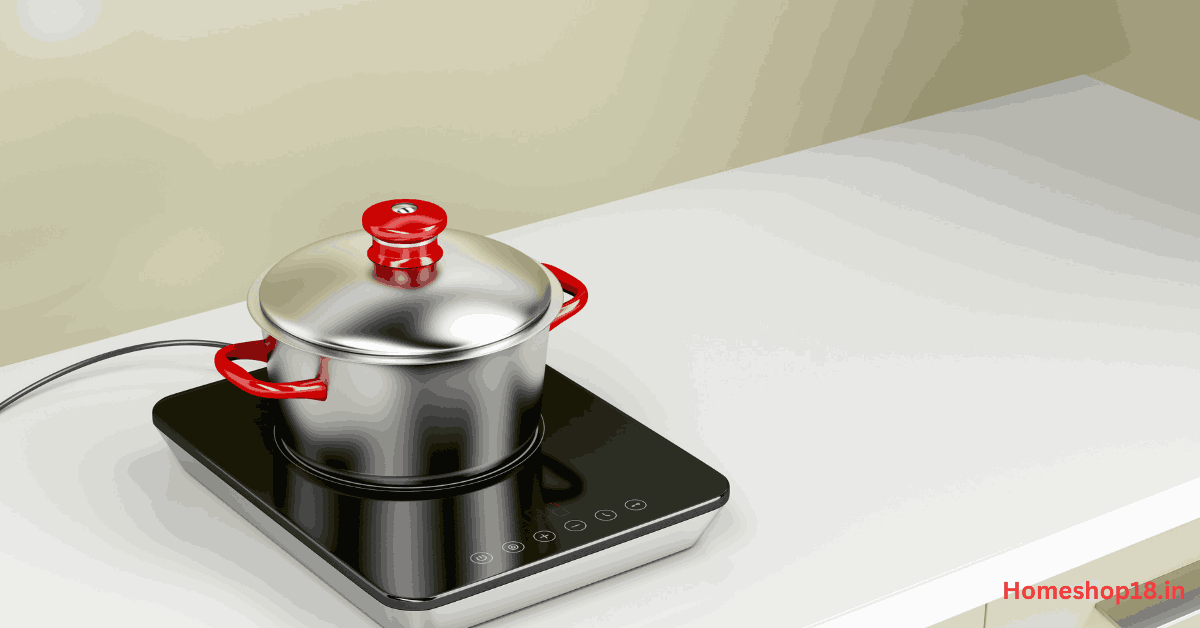
What is Difference between Induction and Electric Stove Understanding the difference between Induction and electric stove helps you choose the best option for daily cooking. Based on usage and research, induction stove is better in terms of safety, efficiency, and electricity consumption.
Which is Best: Induction or Electric Stove
The direct answer based on usage experience and research is induction stove is best. Induction provides fast heating, low electricity consumption, and better safety compared to electric stove.
Electric stove consumes more electricity and has more energy wastage because the current passes through internal layers before reaching the vessel. This process causes heat loss and increases electricity usage. In contrast, induction transfers heat directly to the vessel, reducing wastage and saving electricity.
Induction is also safer because it does not use a burner like an electric stove. It is simple to use, waterproof, and easy to clean. From long-term usage of around 3 years with daily use of up to 4 hours, induction works without issues and is reliable.
FAQ
Q1: Which is better for home use?
Induction stove is better.
Q2: Why induction is better?
It saves electricity, heats faster, and is safer.
Electricity Consumption and Efficiency
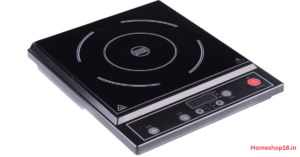
Electric stove consumes more electricity due to heat loss in the panel before reaching the vessel. This results in higher electricity bills and less efficiency.
Induction stove directly heats the vessel using magnetic energy, which reduces energy loss. Because of this, induction uses less electricity and helps reduce monthly EB bills. It is more efficient for regular cooking.
FAQ
Q1: Which uses more electricity?
Electric stove uses more electricity.
Q2: Does induction save EB bill?
Yes, it reduces electricity cost.
Cooking Speed and Performance
Overview
Cooking speed is an important factor in daily use. Induction stove provides fast heating and cooks food quickly because heat is directly transferred to the vessel.
Electric stove takes more time because it first heats the burner and then transfers heat to the vessel. This makes induction better for quick cooking and efficient performance.
FAQ
Q1: Which cooks faster?
Induction cooks faster.
Q2: Why is electric stove slow?
Heat transfer takes more time.
Safety and Usage
Overview
Safety is another major difference. Electric stove uses direct metal heating with a burner, which can be risky. Induction stove does not have a burner and is safer to use.
Induction is also waterproof and easy to operate, making it suitable for daily kitchen use. It reduces risk compared to electric stove and is simple for beginners.
FAQ
Q1: Which is safer?
Induction stove is safer.
Q2: Is induction easy to use?
Yes, it is simple and user-friendly.
Which is the best Air Conditioner in Summer
Price and Maintenance
Overview
Price difference is also noticeable. Electric stove costs around ₹2500, while induction cooktops start from around ₹1200. Induction is more affordable and budget-friendly.
Maintenance is minimal in induction, and it works without issues for years. Electric stove may require more attention due to heating elements and higher usage.
FAQ
Q1: Which is cheaper?
Induction stove is cheaper.
Q2: Does induction need maintenance?
No, it requires very little maintenance.
Cleaning and Design
Overview
Induction stove is easy to clean because of its flat surface and waterproof design. Spills can be wiped easily without any issue.
Electric stove has a burner, making cleaning more difficult. Food particles can get stuck, and maintenance becomes harder compared to induction.
How to Clean and Maintain Home Appliances
Best Home Appliances List & Reviews for Indian Homes
FAQ
Q1: Which is easy to clean?
Induction stove is easy to clean.
Q2: Why is electric stove hard to clean?
Because of burner design.
Comparison Table
| Feature | Induction Stove | Electric Stove |
|---|---|---|
| Electricity Usage | Low | High |
| Cooking Speed | Fast | Slow |
| Safety | High | Medium |
| Heat Transfer | Direct to vessel | Indirect (heat loss) |
| Price | Starts ₹1200 | Around ₹2500 |
| Cleaning | Easy | Difficult |
| Maintenance | Low | Medium |
| Design | No burner | Burner present |