What is Difference between Induction and Electric Stove
Cooking technology has improved a lot in modern kitchens, and many people today compare What is Difference between Induction and Electric Stove before choosing the right appliance. Both appliances use electricity for cooking, but their heating process and performance are very different. Understanding these differences helps users choose a cooktop that matches their cooking style and kitchen needs.
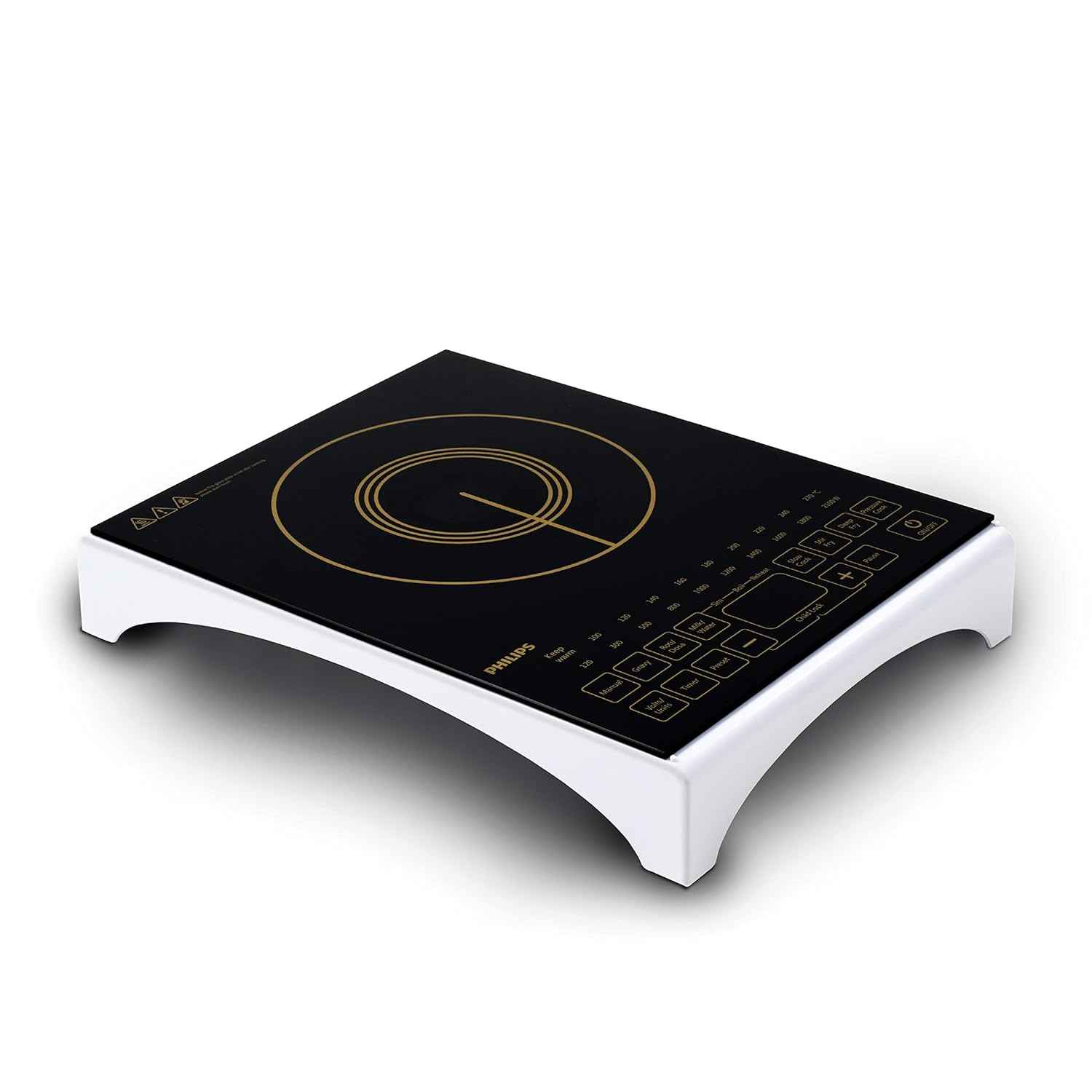
Electric cooktops have been used for many years and are familiar to most households. They work by heating a metal coil that transfers heat to the cookware. Induction cooktops, on the other hand, use electromagnetic energy to heat the cookware directly. This technology makes induction cooking faster and more energy efficient.
The comparison between induction cooktops and electric cooktops usually focuses on heating process, energy efficiency, safety, cookware compatibility, and cooking performance. Some users prefer traditional electric cooktops because they are simple and support many cookware types, while others prefer induction cooktops for faster cooking and better efficiency.
Choosing the right stove depends on cooking habits, kitchen setup, and safety preference. Some people want fast heating and energy savings, while others prefer a simple and traditional cooking appliance.
Understanding the advantages and disadvantages of both options helps users make the right decision. This article explains the difference between induction and electric stoves in detail.
Electric Cooktop Overview
Electric cooktops have been used for many years in kitchens around the world. The first electric stove used large iron plates that heated cookware through electrical current. Later, metal coil burners replaced the plates, and cookware was placed directly on top of the coil.
Modern electric cooktops now include glass or ceramic surfaces that create a flat cooking area. Even though the design has improved, the basic heating process remains the same.
How Electric Cooktops Work
Electric cooktops work by passing electrical current through a metal coil under the cooking surface.
When electricity flows through the coil, electrical resistance causes the coil to become hot and glow. The heat then transfers through the glass or ceramic surface and heats the cookware using infrared energy.
The cookware receives heat indirectly because the coil heats the surface first before heating the pot or pan.
Advantages of Electric Cooktops
Electric cooktops are widely used because they are familiar and simple for most users.
They support many types of cookware including aluminum, stainless steel, cast iron, and other materials. Electric cooktops are also easy to install because they can operate on common household electrical systems.
Many people prefer electric cooktops because they are comfortable using a cooking method that has existed for many years.
Induction Cooktop Overview
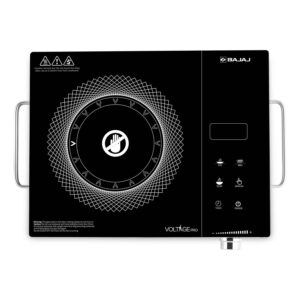
Induction cooktops represent a newer cooking technology compared to traditional electric stoves. Instead of heating the cooktop surface, induction cooking generates heat directly inside the cookware.
This direct heating process is the biggest difference between induction cooktops and electric cooktops.
How Induction Cooktops Work
Induction cooktops use copper coils located under the cooking surface.
When electricity flows through the copper coil, it creates an alternating magnetic field. This magnetic field interacts with compatible cookware and produces an electrical current inside the pan.
As a result, the cookware itself begins to heat and cooks the food. The cooktop surface does not become the main heat source.
Induction Heating Technology
Induction cooking uses electromagnetic radiation and magnets to generate heat inside cookware.
The electric current passing through the copper coil produces a magnetic field that oscillates. This magnetic field induces electrical energy inside the cookware, which produces heat.
Because the cookware itself becomes the heating element, induction cooking is usually faster and more efficient than electric cooking.
Efficiency and Cooking Performance
Cooking efficiency is one of the biggest differences between induction and electric cooktops.
Induction cooking transfers most of its energy directly to the cookware, while electric cooktops lose some energy when heating the coil and surface first.
Energy Efficiency Comparison
Induction cooktops are highly efficient because almost all the generated energy goes directly into heating the cookware.
Electric cooktops usually lose part of their energy because the heating element and surface must heat first before transferring heat to the cookware.
Because of this difference, induction cooking can heat food faster and reduce overall energy consumption.
Cooking Speed and Temperature Control
Induction cooktops usually heat water and food faster than electric cooktops.
They also provide more precise temperature control because the heat can change quickly when the power level changes.
Electric cooktops take longer to adjust temperature because the heating element needs time to heat up and cool down.
How to Choose best AC for this Summer 2026
Safety and Surface Temperature
Safety is an important factor when choosing a cooking appliance.
Induction cooktops and electric cooktops both use electricity, but their surface temperatures and burn risks are different.
Safety Features of Induction Cooktops
Induction cooktops are considered safer because the cooktop surface does not become extremely hot.
Heat is generated only inside the cookware, so the surrounding surface remains relatively cool. This reduces the risk of burns and accidental fires.
Induction cooktops also require cookware to be present before heating starts, which reduces the chance of leaving the cooktop on accidentally.
Safety Concerns of Electric Cooktops
Electric cooktops can become very hot because the heating element transfers heat through the surface.
Even after turning the cooktop off, the surface remains hot for some time. This increases the risk of burns if someone touches the surface.
There is also a potential fire risk if flammable materials come into contact with the hot surface.
How to use Induction Cooktop Prestige
Advantages and Disadvantages of Both Cooktops
Every cooking appliance has benefits and limitations, and the choice between induction and electric cooktops depends on user preferences.
Disadvantages of Electric Cooktops
Electric cooktops can take longer to heat and cool down.
They are also less energy efficient because part of the heat energy is lost before reaching the cookware. Cleaning coil models can also be more difficult because food spills can burn onto the heating element.
Cooking times may be longer because of slower heat transfer.
Disadvantages of Induction Cooktops
Induction cooktops usually cost more than electric cooktops because of advanced technology.
They also require compatible cookware made of ferromagnetic materials such as cast iron or magnetic stainless steel. Aluminum or glass cookware may not work unless designed for induction.
Some induction units also produce a small buzzing sound due to electromagnetic operation.
Conclusion
Choosing between an induction cooktop and an electric cooktop depends on cooking style, kitchen setup, and safety preference. Induction cooktops provide faster cooking, higher efficiency, and improved safety because the cookware itself generates heat.
Electric cooktops remain popular because they are simple, familiar, and compatible with many cookware types. They may not heat as quickly as induction models, but they still allow users to cook a wide variety of meals.
Understanding the heating process, efficiency, safety features, and limitations of both appliances helps users choose the best cooking option for their kitchen.
How to Use Induction Stove Step by Step Guide
FAQ
What is the main difference between induction and electric stove?
The main difference is the heating method. Electric stoves heat a coil that transfers heat to cookware, while induction stoves generate heat directly inside the cookware using electromagnetic energy.
Which cooktop cooks faster?
Induction cooktops usually cook faster because heat is generated directly inside the cookware.
Can all cookware be used on induction cooktops?
No. Induction cooktops require cookware made of ferromagnetic materials such as cast iron or magnetic stainless steel.
Are induction cooktops safer than electric cooktops?
Yes. Induction cooktops are generally safer because the cooking surface stays cooler and heat is generated only when cookware is present.
Which cooktop is more energy efficient?
Induction cooktops are more energy efficient because most of the energy goes directly into heating the cookware instead of the cooking surface.