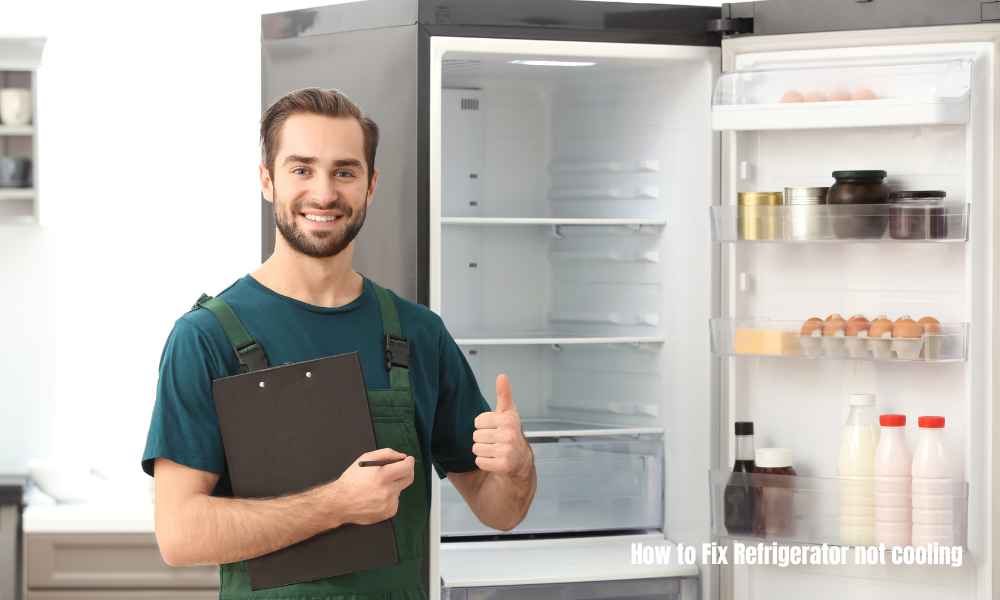
How to Fix Refrigerator not cooling
Learn How to Fix Refrigerator not cooling with common causes, troubleshooting steps, solutions, maintenance tips, comparison table, FAQ, and practical refrigerator care advice. The How to Fix Refrigerator not cooling problem is one of the most common refrigerator issues faced by many households. Sometimes the refrigerator light is working, but cooling is not happening properly. In some cases, the compressor may not run, while in other situations cooling may stop due to blockage, ice formation, timer issues, or component faults. This How to Fix Refrigerator not cooling guide explains the common reasons and possible solutions.
The Why Refrigerator Not Cooling article helps identify several common refrigerator cooling problems. Refrigerator cooling issues can be related to the compressor, timer, gas blockage, thermostat starter, freezer ice formation, or other internal components. Proper maintenance and regular cleaning can help reduce many cooling-related issues.
How to Fix Refrigerator not cooling?
The How to Fix Refrigerator not cooling issue can occur for different reasons. Identifying the correct cause is the first step toward finding the right solution.
Refrigerator Light Working but No Cooling
Cooling Failure
Sometimes the refrigerator light works normally while cooling does not occur.
Compressor Not Running
Component Issue
A compressor that is not operating properly may affect cooling performance.
Cause 1: Thermostat Starter Problem
One possible reason for the Why Refrigerator Not Cooling problem is a thermostat starter issue.
Starter Not Working
Cooling Stops
If the starter is not functioning correctly, refrigerator cooling may stop.
Solution
Replace the Component
Installing a new starter may restore normal refrigerator operation.
Cause 2: Blockage in Drain or Rear Section
Blockages can sometimes affect refrigerator performance.
Step-by-Step Solution
Remove Food Items
Take out all food items from the refrigerator.
Switch Off Refrigerator
Keep the refrigerator turned off.
Allow Complete Drying
Leave the refrigerator switched off for approximately 24 hours.
Clear Blockage
Check the rear section and remove any visible blockage or accumulated dust.
Cause 3: Freezer Ice Damage
Many users make mistakes while removing ice from the freezer compartment.
Improper Ice Removal
Freezer Damage Risk
Using excessive force to remove ice may damage internal freezer components.
Cooling Impact
Reduced Cooling
Damage may affect refrigerator cooling performance.
Cause 4: Compressor Overheating
Compressor-related problems can contribute to cooling issues.
Overheated Compressor
Cooling Reduction
An overheated compressor may affect refrigerator operation.
Solution
Replace Faulty Parts
If a relay component is damaged, replacement may help restore operation.
Cause 5: Gas Blockage
The Why Refrigerator Not Cooling problem may sometimes be related to gas flow restrictions.
Gas Flow Issue
Restricted Cooling
Blockages may affect normal cooling circulation.
Solution
Clear the Blockage
Removing the blockage may improve refrigerator performance.
How to clean inside of refrigerator at home
Cause 6: Double Door Refrigerator Bottom Not Cooling
Some double-door refrigerators may cool properly at the top but not at the bottom.
Ice Formation
Airflow Restriction
Heavy ice formation may affect cooling in lower sections.
Timer Problem
Common Cause
A timer issue may contribute to cooling problems in the lower compartment.
Solution
Replace Timer
Replacing the faulty timer may help restore cooling.
Cause 7: OLP Problem
Another reason for the Why Refrigerator Not Cooling issue is an OLP-related fault.
OLP Failure
Compressor Protection Issue
A damaged OLP may prevent proper refrigerator operation.
Solution
Replace OLP
Installing a new OLP may help restore cooling performance.
Solutions Summary
The Why Refrigerator Not Cooling problem may be solved after identifying the correct cause.
Check Starter
Verify Operation
Inspect the starter if cooling has stopped.
Remove Blockages
Clean Properly
Check for dust and blockage.
Check Compressor
Look for Overheating
Inspect compressor-related components.
Check Timer
Double Door Models
Inspect timer-related issues when lower compartments are not cooling.
Inspect OLP
Replace if Necessary
A damaged OLP may require replacement.
How to solve Low Voltage Problem in home
Prevention Tips
Regular maintenance may help reduce the chances of refrigerator cooling problems.
Monthly Cleaning
Routine Maintenance
Clean the refrigerator regularly.
Proper Drying
Important Step
After cleaning, allow the refrigerator to dry properly.
Temperature Adjustment
Use Appropriate Settings
Adjust temperature settings according to your requirements.
Avoid Freezer Damage
Handle Ice Carefully
Do not forcefully remove freezer ice.
Comparison Table
| Problem | Possible Cause | Suggested Solution |
|---|---|---|
| No Cooling | Starter Issue | Replace Starter |
| Cooling Stops | Dust or Blockage | Clean and Clear Blockage |
| Poor Cooling | Compressor Overheating | Check Components |
| Gas Flow Issue | Gas Blockage | Remove Blockage |
| Bottom Not Cooling | Timer Issue | Replace Timer |
| Compressor Not Starting | OLP Issue | Replace OLP |
| Cooling Reduced | Heavy Ice Formation | Remove Ice Properly |
Real Experience
Many refrigerator users discover that cooling issues are often related to maintenance and cleaning. Regular cleaning and proper temperature adjustment may help maintain refrigerator performance. This is one reason why routine maintenance is often recommended in discussions about Why Refrigerator Not Cooling problems.
Mini Portable Air Conditioner Review
FAQ
Why is my refrigerator light working but not cooling?
The issue may be related to components such as the starter, compressor, timer, OLP, or blockage.
Can dust cause refrigerator cooling problems?
Dust and blockage may affect refrigerator performance.
Why is my double-door refrigerator not cooling at the bottom?
Ice formation or timer-related issues may affect lower compartment cooling.
Can compressor overheating stop cooling?
Yes, compressor-related issues may affect cooling performance.
How often should I clean my refrigerator?
Monthly cleaning is recommended in this guide.
Conclusion
The Why Refrigerator Not Cooling problem can occur due to several reasons including starter issues, compressor problems, gas blockage, timer faults, OLP damage, or heavy ice formation. Identifying the exact cause is important before attempting any repair. Regular maintenance, proper cleaning, and correct temperature adjustment can help improve refrigerator performance and reduce cooling-related issues.
Simple Recommendation
Clean your refrigerator regularly, avoid forcefully removing freezer ice, keep the unit dry after cleaning, and adjust temperature settings properly. If cooling problems continue, contact a qualified refrigerator service technician for inspection and repair.
Disclaimer
This article is for educational and informational purposes only. The content is based solely on the information provided and is intended for general awareness. Refrigerators contain electrical and cooling system components that should be handled carefully. If you are unsure about any repair procedure, contact a qualified service technician. Brand names, trademarks, and logos belong to their respective owners and are used only for reference when applicable.