How to Solve Low Voltage Problem in Home
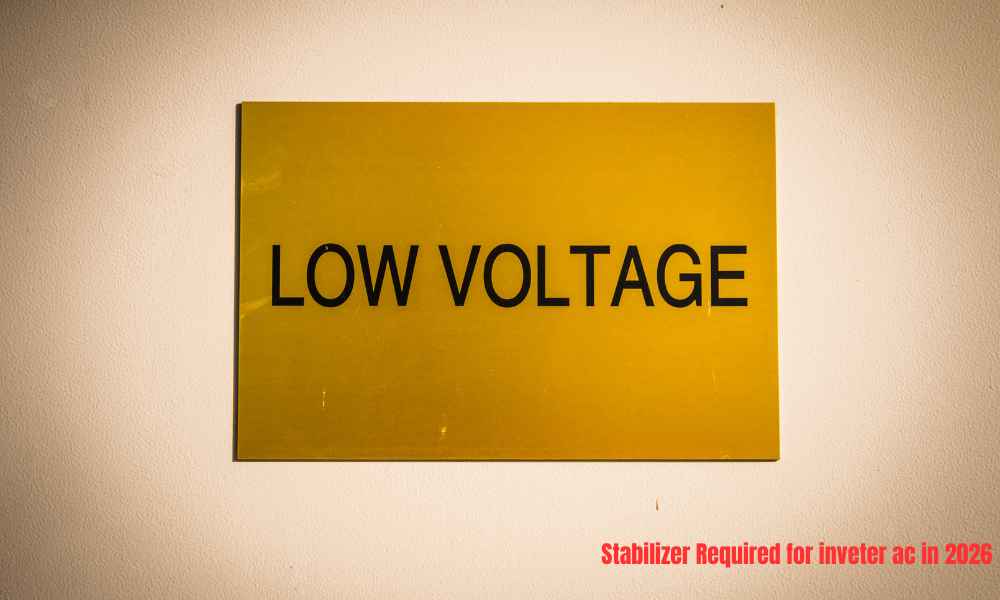
Learn How to Solve Low Voltage Problem in Home with simple solutions, causes, identification methods, prevention tips, comparison table, FAQ, and practical ways to protect home appliances from voltage fluctuations.
The How to Solve Low Voltage Problem in Home guide is important because low voltage issues become common during summer seasons. As electricity demand increases, many areas experience voltage fluctuations that affect household appliances and daily activities. Understanding the causes and solutions can help homeowners protect their electrical equipment and improve power stability.
The How to Solve Low Voltage Problem in Home article explains what low voltage is, how to identify it, and what steps can be taken to reduce its impact. Voltage fluctuations are often related to power distribution systems, transformers, local electrical demand, or wiring conditions. Knowing the warning signs early can prevent damage to valuable appliances.
What is Low Voltage Problem?
Overview
The How to Solve Low Voltage Problem in Home process begins with understanding voltage levels. In India, standard household voltage is generally around 230V to 250V. However, voltage may sometimes increase or decrease depending on local power conditions.
Standard Voltage Range
Normal Household Voltage
Most homes receive electricity within the normal operating range.
Voltage Variations
Voltage can fluctuate due to demand and distribution conditions.
Why Voltage Changes
Grid Load
Heavy electricity usage can affect voltage levels.
Local Conditions
Area-specific electrical demand may influence power quality.
Causes of Low Voltage Problem
Overview
The How to Solve Low Voltage Problem in Home guide explains several common causes of voltage drops.
Transformer Issues
Distribution Load
Overloaded transformers may contribute to voltage reduction.
Area Demand
High Electricity Usage
During summer, increased appliance usage can affect voltage stability.
Wiring Problems
Overloaded Wires
Electrical wiring under heavy load may contribute to voltage drops.
Main Supply Issues
Distribution Network Conditions
Power supply fluctuations may originate from the utility network.
How to Identify Low Voltage Problem
Overview
The How to Solve Low Voltage Problem in Home process requires identifying the warning signs correctly.
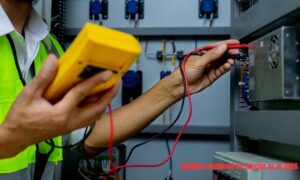
Check Voltage Using a Digital Multimeter
Measure Voltage
A digital multimeter can help determine actual voltage levels.
Observe Lighting Conditions
Dimming Lights
Lights appearing dimmer than normal may indicate low voltage.
Flickering Lights
Frequent flickering can be a warning sign.
Appliance Performance
Reduced Efficiency
Some appliances may not perform properly during low voltage conditions.
Effects of Low Voltage on Appliances
Overview
The How to Solve Low Voltage Problem in Home guide highlights the risks associated with prolonged voltage issues.
Electronic Devices
Increased Current Draw
Some devices may draw higher current during low voltage conditions.
Air Conditioners
Performance Impact
Cooling performance may be affected.
Refrigerators
Operational Issues
Low voltage can affect normal operation.
Household Electronics
Potential Overheating
Voltage instability may create additional stress on electrical equipment.
Stabilizer Required for Inveter Ac in 2026
Solutions for Low Voltage Problem
Overview
The How to Solve Low Voltage Problem in Home article discusses two commonly used solutions.
Solution 1: Contact the Electricity Supply Office
Report the Problem
Contact the local electricity provider regarding persistent low voltage issues.
Request Inspection
Utility personnel can inspect transformers and distribution lines.
Solution 2: Install a Whole House Stabilizer
Voltage Protection
A stabilizer can help regulate voltage supplied to household appliances.
Appliance Safety
Important devices such as refrigerators and air conditioners may receive additional protection.
Step-by-Step Fix
Step 1
Identify whether low voltage is actually occurring.
Step 2
Use a digital multimeter to verify voltage levels.
Step 3
Check for dimming or flickering lights.
Step 4
Contact the local electricity supply office if the issue is widespread.
Step 5
Consider installing a suitable whole-house stabilizer.
Step 6
Monitor appliance performance after implementing the solution.
Prevention Tips
Overview
The How to Solve Low Voltage Problem in Home guide recommends preventive measures to reduce future issues.
Monitor Voltage Regularly
Periodic Checks
Check voltage levels during high-demand seasons.
Protect Important Appliances
Use Appropriate Protection
Voltage control equipment may help protect sensitive appliances.
Report Recurring Problems
Inform Utility Providers
Repeated issues should be reported for investigation.
Important for SEO
Overview
The How to Solve Low Voltage Problem in Home topic is frequently searched during summer months when voltage fluctuations become more common.
Common Household Problem
Many homeowners face voltage-related issues.
Appliance Protection
Users often search for ways to protect expensive appliances.
Energy Awareness
Understanding electrical conditions helps improve household safety.
Comparison Table
Overview
The table below compares the two commonly discussed solutions.
| Feature | Contact Electricity Office | Whole House Stabilizer |
|---|---|---|
| Initial Cost | Usually Low | Higher |
| Long-Term Protection | Depends on Grid Improvements | Provides Local Protection |
| Appliance Safety | Indirect | Direct |
| Installation Required | No | Yes |
| Response Time | May Vary | Immediate After Installation |
| Suitable for Whole House | Depends on Utility Action | Yes |
Pros and Cons
Pros
- Helps identify voltage issues early.
- Can protect valuable appliances.
- Improves power stability.
- Reduces appliance stress.
- Supports safer operation.
Cons
- Stabilizer installation adds cost.
- Some solutions require professional assistance.
- Utility-related issues may take time to resolve.
FAQ
What is considered low voltage in a home?
Voltage significantly below the normal operating range may be considered low voltage.
How can I check home voltage?
A digital multimeter can be used to measure voltage levels.
What are the signs of low voltage?
Dimming lights, flickering lights, and poor appliance performance are common indicators.
Can low voltage affect air conditioners?
Yes, appliance performance may be affected during low voltage conditions.
Can a stabilizer help?
A stabilizer may help regulate voltage supplied to household appliances.
Mini Portable Air Conditioner Review
Google Ranking Help
Use Main Keyword Naturally
Include How to Solve Low Voltage Problem in Home in the title, introduction, headings, and conclusion.
Add Related Articles
Link to electrical safety and appliance protection articles.
Answer Common Questions
Provide practical information that addresses user concerns.
What is Portable air conditioner 2026
Conclusion
The How to Solve Low Voltage Problem in Home guide explains that voltage fluctuations can occur due to transformer load, power distribution conditions, local demand, or wiring-related issues. Common signs include dimming lights, flickering lights, and reduced appliance performance. Contacting the local electricity provider and using a suitable stabilizer are two commonly discussed approaches for addressing low voltage concerns. Understanding How to Solve Low Voltage Problem in Home can help homeowners protect appliances and improve electrical reliability.
Simple Recommendation
If you frequently experience low voltage, first verify the problem using a digital multimeter and observe appliance performance. Contact your local electricity provider to report persistent issues. If voltage fluctuations occur regularly, consider a properly rated whole-house stabilizer for additional appliance protection.
Disclaimer
This article is for educational and informational purposes only. The content is original and created for general awareness. Electrical systems should be handled carefully and according to local regulations. Brand names, trademarks, and logos belong to their respective owners and are used only for reference when applicable. Always consult a qualified electrician before making electrical modifications or installations.