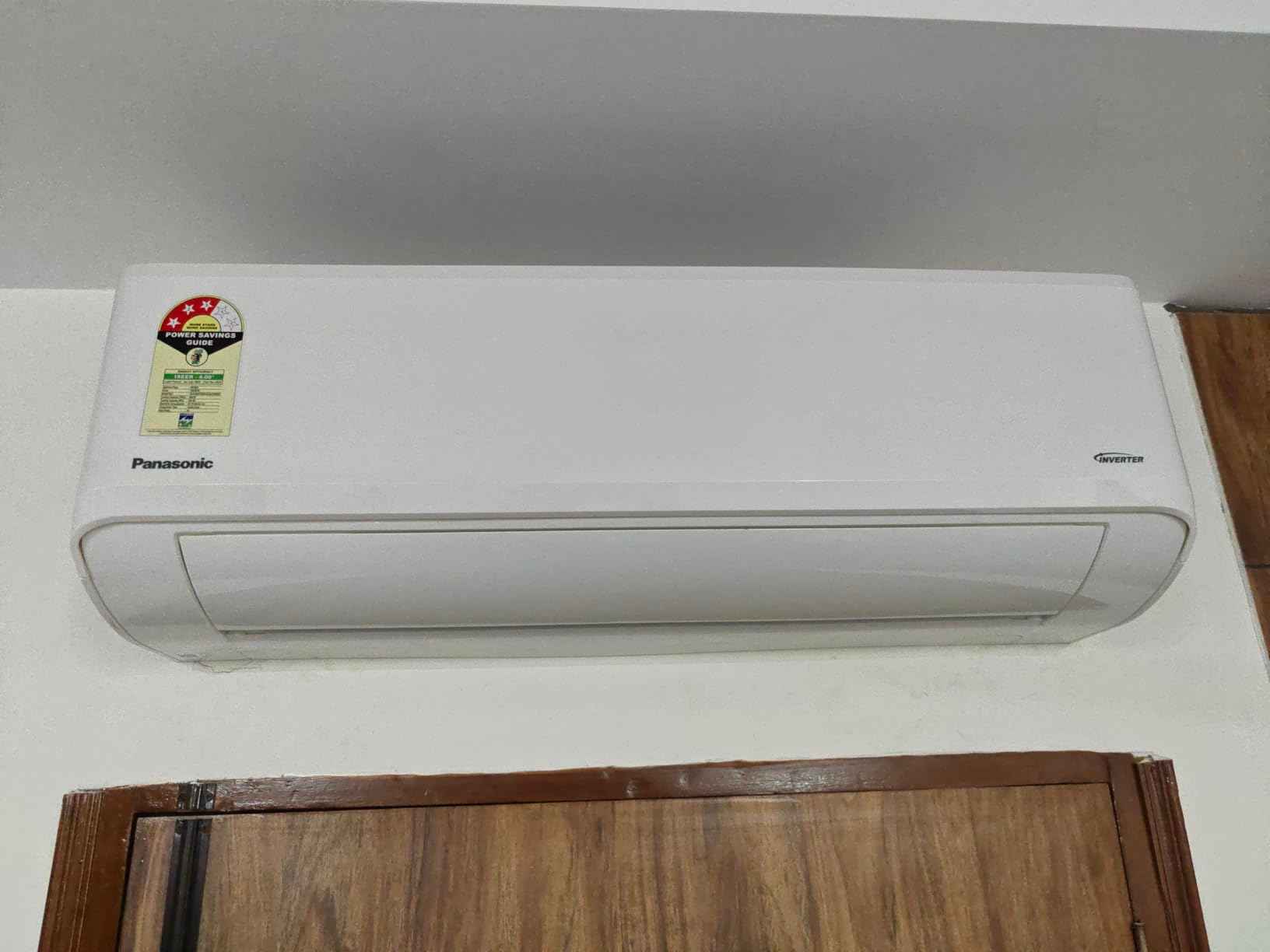
Which AC is Best 3 Star or 5 Star Complete Guide
Choosing between 3 Star and 5 Star AC is a common confusion, especially during summer starting in March when heat is very high. Many people focus on cost, electricity consumption, and cooling performance before buying an AC. Understanding the difference helps in making the right decision for long-term usage.
3 Star vs 5 Star AC – Basic Difference
Overview
The main difference between 3 Star and 5 Star AC is electricity consumption and efficiency. Both models offer similar features, but 5 Star AC provides better cooling efficiency and consumes less electricity.
Price difference between 3 Star and 5 Star AC is usually around ₹3,000 to ₹4,000. While 3 Star AC has a lower initial price, 5 Star AC saves electricity over time. Cooling performance is also better in 5 Star AC with faster cooling speed.
For long-term usage, 5 Star AC is more beneficial even if the initial cost is slightly higher.
FAQ
Q1: What is the main difference?
Electricity consumption and efficiency.
Q2: Is feature difference big?
No, features are mostly similar.
Electricity Consumption and Cost
Overview
Electricity consumption is a major factor while choosing an AC. A 5 Star AC consumes less electricity compared to a 3 Star AC.
On average, a 5 Star AC may consume around 3 units per day, reducing monthly EB bills. A 3 Star AC may cost less initially, but you may end up paying around ₹3,000 more in electricity bills over time.
Since AC is a long-term investment (4 to 5 years), choosing a 5 Star AC helps save money in the long run.
FAQ
Q1: Which AC saves electricity?
5 Star AC saves more electricity.
Q2: Is 5 Star AC expensive to run?
No, it reduces monthly EB cost.
Cooling Performance and Efficiency
Overview
Cooling performance is better in 5 Star AC compared to 3 Star AC. It provides faster cooling and maintains temperature efficiently even in high summer heat.
While 3 Star AC also cools well, 5 Star AC gives quicker and more consistent cooling. This makes it suitable for heavy summer usage and long hours of operation.
FAQ
Q1: Which AC cools faster?
5 Star AC cools faster.
Q2: Is 3 Star AC enough?
Yes, but 5 Star performs better.
Price Comparison and Investment

Overview
3 Star AC comes with a lower price, usually ₹4,000 less than a 5 Star AC. However, 5 Star AC may cost ₹2,000 to ₹3,000 more initially but saves electricity over time.
Since an AC is used for 4 to 5 years, it is better to invest once and choose an energy-efficient model. For long-term savings and better performance, 5 Star AC is a better investment.
FAQ
Q1: Which AC is cheaper?
3 Star AC is cheaper initially.
Q2: Which is better for long-term?
5 Star AC is better.
When to Choose 3 Star or 5 Star
Overview
Choosing between 3 Star and 5 Star depends on usage and room conditions. If AC usage is low or occasional, a 3 Star AC is enough.
If you use AC for long hours (like 12 hours daily) or if your room gets direct sunlight, a 5 Star AC is the better choice. It provides better cooling and saves electricity in heavy usage.
FAQ
Q1: When should I choose 3 Star AC?
For low or occasional use.
Q2: When should I choose 5 Star AC?
For long hours and heavy usage.
Budget Friendly Home Appliances for Indian Homes
Recommended 5 Star AC Models
Overview
For better performance and energy savings, 5 Star AC models are recommended. Based on experience, Panasonic and Carrier ACs are good choices.
Carrier 1.5 Ton 5 Star AC provides fast cooling, low noise, and good build quality. Installation and service are also smooth.
Panasonic 1.5 Ton 5 Star AC offers smart features like WiFi control, AI support, and self-cleaning. It also provides strong cooling and energy efficiency.
Both models are suitable for summer and provide good value for money.
FAQ
Q1: Which brand is recommended?
Panasonic and Carrier.
Q2: Are these ACs good for summer?
Yes, they provide strong cooling.
Best Home Appliances List & Reviews for Indian Homes
Installation and Usage Tips
Overview
Proper installation is important for AC performance. Installation cost may be around ₹4,000 depending on setup.
Make sure vacuuming is done during installation for better performance. Also, planning copper pipe length helps reduce extra costs. Buying stand separately may save money.
FAQ
Q1: Is installation important?
Yes, it affects performance.
Q2: Any cost-saving tips?
Plan pipe length and buy stand separately.
Comparison Table
| Feature | 3 Star AC | 5 Star AC |
|---|---|---|
| Price | Lower | Higher |
| Electricity Consumption | Higher | Lower |
| Cooling Speed | Good | Faster |
| EB Bill | Higher | Lower |
| Long-Term Saving | Less | More |
| Best For | Low usage | Heavy usage |