Which is the Best Air Cooler vs Air Conditioner
During the hot summer months, staying cool becomes a top priority for many households. People often compare a Which is the best Air Cooler vs Air Conditioner the right cooling appliance. Both devices are designed to reduce heat and improve indoor comfort, but they work in very different ways. The choice between them depends on climate, budget, room size, and electricity consumption. Some people prefer powerful cooling, while others focus on energy efficiency and natural airflow. Understanding the differences between these two appliances can help you decide which one suits your home during summer.
Working Principle of Air Cooler and Air Conditioner
Air coolers and air conditioners operate using completely different cooling technologies. One uses evaporation to cool the air, while the other uses a refrigeration system to remove heat and humidity from the room.
How an Air Conditioner Works
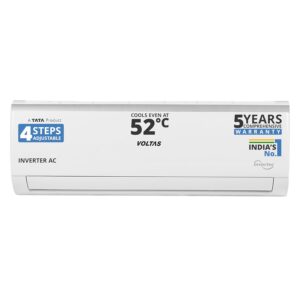
An air conditioner works by removing heat and humidity from indoor air using a refrigeration system. The system absorbs warm air from the room, cools it using a chemical coolant, and then releases the cooled air back into the room.
This process allows an air conditioner to quickly lower the room temperature and maintain it at a set level. It also helps reduce humidity, making it suitable for hot and humid climates.
How an Air Cooler Works
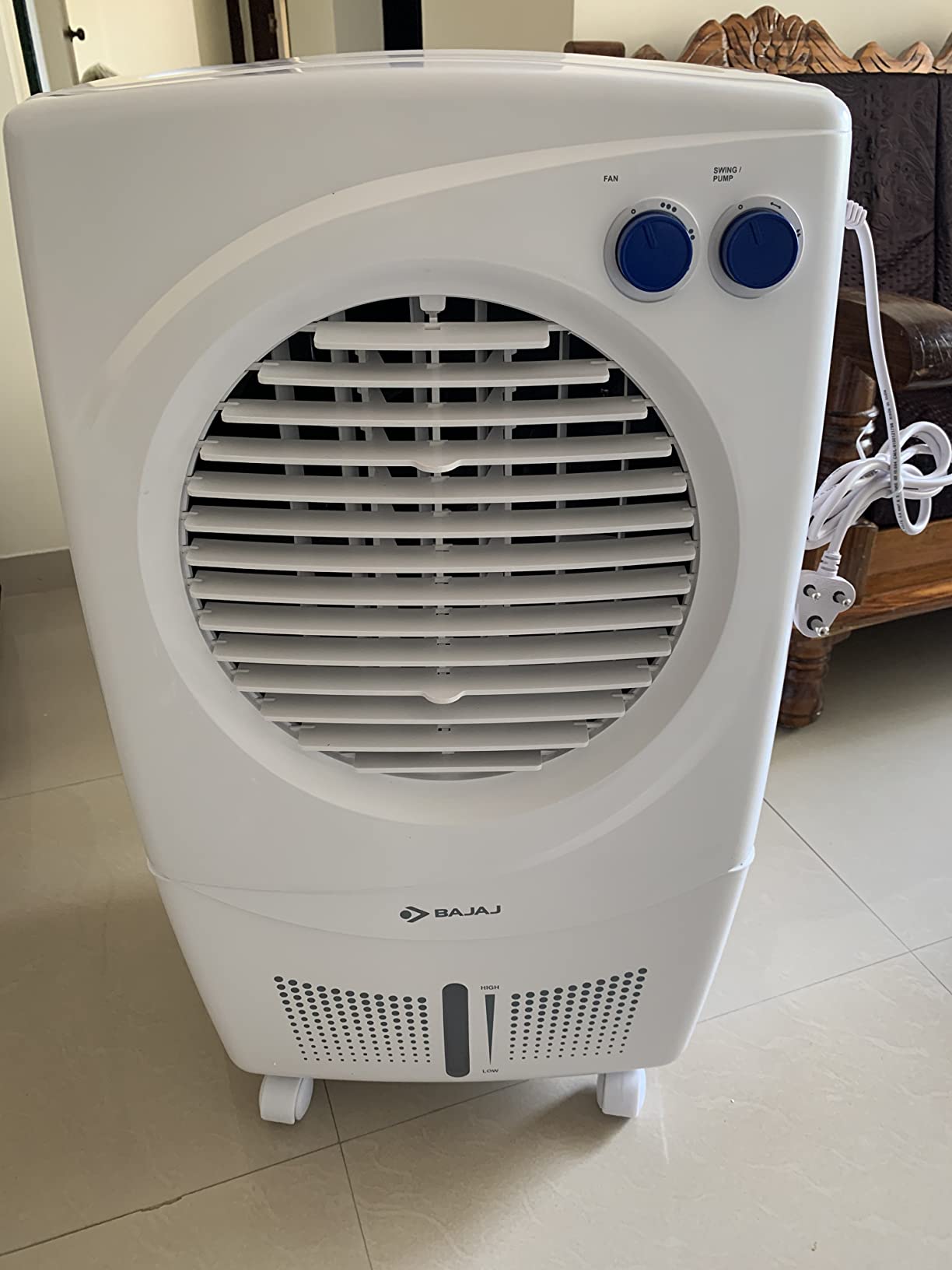
An air cooler, also known as an evaporative cooler, works by passing hot air through water-soaked pads. As the air moves through these pads, evaporation occurs and the air becomes cooler.
Air coolers also pull fresh air from outside and circulate it into the room. This natural airflow can improve ventilation and make the environment feel fresher.
Cooling Performance and Climate Suitability
Cooling efficiency is one of the most important differences between these two appliances. Their performance varies depending on the climate and humidity levels.
Cooling Power of Air Conditioners
Air conditioners provide strong and consistent cooling even during extreme heat. They can reduce the room temperature quickly and maintain the desired temperature.
They are ideal for coastal cities or areas where humidity levels are high because they also remove moisture from the air.
Cooling Effect of Air Coolers
Air coolers work best in hot and dry climates where evaporation happens more efficiently. In such regions, they can provide comfortable cooling at a lower cost.
However, in humid environments air coolers become less effective because evaporation slows down when moisture levels are already high.
Price and Electricity Consumption
Budget and electricity usage play a major role when choosing between an air cooler and an air conditioner. The difference in cost between these two appliances is significant.
Cost of Air Conditioner
An air conditioner generally starts at around ₹25,000 per unit. In addition to the purchase cost, it requires professional installation and regular servicing.
Air conditioners also consume a significant amount of electricity, which can increase monthly electricity bills.
Cost of Air Cooler
An air cooler can start from around ₹3,000 per unit, making it a much more affordable option for many households.
Air coolers also use far less electricity and can reduce power consumption by up to 80 percent, making them suitable for budget-conscious users.
How to keep House Cool without AC in Summer
Installation and Maintenance Requirements
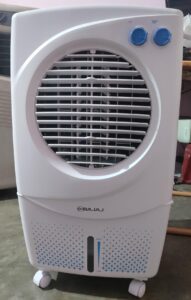
Another major difference between these appliances is the way they are installed and maintained over time.
Air Conditioner Installation and Maintenance
Air conditioners require professional installation whether it is a window AC or split AC. Proper installation is necessary to ensure effective cooling.
They also require periodic servicing to maintain performance and ensure the refrigeration system works properly.
Air Cooler Maintenance and Water Usage
Air coolers do not require complicated installation and can be used as soon as they are placed in a room. Many models come with wheels, making them portable and easy to move.
However, air coolers need regular water refilling before use. In some cases, several buckets of water may be required, and cleaning is necessary to avoid odor or bacteria growth.
Environmental Impact and Air Quality
Environmental impact and indoor air quality are also important considerations when selecting a cooling system.
Air Quality with Air Coolers
Air coolers pull fresh air from outside and cool it before circulating it indoors. This constant airflow helps maintain better ventilation in the room.
They also do not make the air overly dry, which can be beneficial for people with asthma or dust allergies.
Environmental Impact of Air Conditioners
Air conditioners use refrigerants such as CFC or HFC in their cooling systems. These substances can be harmful to the environment if not managed properly.
Air conditioners also consume more electricity and release hot air outdoors through the compressor, making them less eco-friendly compared to air coolers.
Best Bajaj Air Cooler under 10000 in 2026
Frequently Asked Questions
Which is better for summer, air cooler or air conditioner?
Both appliances are useful, but the choice depends on climate and budget. Air conditioners provide stronger cooling, while air coolers are more energy efficient and affordable.
Do air coolers consume less electricity than air conditioners?
Yes. Air coolers consume significantly less electricity and can reduce power consumption by up to 80 percent compared to air conditioners.
Are air coolers suitable for humid climates?
Air coolers are less effective in humid climates because evaporation becomes inefficient when moisture levels in the air are high.
Why are air conditioners more expensive?
Air conditioners use refrigeration technology, require professional installation, and consume more electricity, which increases both purchase and operating costs.
Which option is more eco-friendly?
Air coolers are considered more eco-friendly because they use water for cooling and consume less electricity compared to air conditioners.