Best Air Conditioner Buying Guide in 2026
Best Air Conditioner Buying Guide in 2026 can be confusing because there are many models and brands available in the market. Before purchasing an AC, it is important to understand several factors such as room size, cooling capacity, star rating, and technology. If you choose the wrong capacity or brand, the cooling performance may not be satisfactory.
Understanding how AC tonnage works, how inverter technology saves electricity, and how energy ratings affect power consumption can help you make the right decision. In this guide, we will explain the most important points you should check before buying an AC in 2026 so that you can confidently choose the best air conditioner for your home.
Understanding AC Types and Capacity
Choosing the correct type of air conditioner and the right capacity is the first step before buying an AC.
Types of Air Conditioners
There are two main categories of air conditioners: commercial ACs and domestic ACs. Commercial air conditioners include duct AC and cassette AC which are commonly used in offices and showrooms. These models are expensive and designed for large areas.
For home usage, domestic air conditioners are commonly used. Domestic AC types include split AC, window AC, and portable AC. Split AC is the most popular option today because it has separate indoor and outdoor units and provides better cooling performance.
Choosing the Right AC Capacity
AC capacity depends mainly on the room size. If your room size is less than 120 square feet, then a 1-ton AC is usually sufficient. For rooms between 120 and 150 square feet, a 1.5-ton air conditioner works better.
If the room size is between 150 and 200 square feet, a 1.5-ton AC with higher cooling capacity is recommended. For rooms larger than 200 square feet, a 2-ton air conditioner provides better cooling performance.
Cooling Capacity and Actual Tonnage
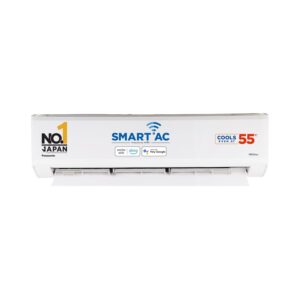
Understanding cooling capacity helps you identify whether an AC provides real cooling performance.
Cooling Capacity in Watts
Cooling capacity is usually mentioned in watts on the energy label. A true 1-ton air conditioner generally provides around 3517 watts of cooling capacity.
Similarly, a proper 1.5-ton air conditioner should provide around 5275 watts of cooling capacity. Many models in the market may advertise 1.5-ton capacity but actually deliver lower cooling capacity.
Why Cooling Capacity Matters
If the cooling capacity is lower than the standard tonnage value, the AC will struggle to cool the room efficiently. This may result in longer cooling time and higher electricity consumption.
Checking the cooling capacity on the star rating label helps ensure that the AC you are purchasing delivers the correct performance according to its tonnage.
Which is the best Brand AC Samsung vs Lg in 2026
Best AC Brands to Consider in 2026
Brand selection is extremely important when buying an air conditioner because service support and spare parts availability matter.
Premium Air Conditioner Brands
Some premium air conditioner brands are known for their strong cooling performance and durability. These include Daikin, Hitachi, Mitsubishi, and O General. These brands are designed specifically for air conditioning systems and are often considered premium options.
Although these brands may cost slightly higher than other models, they offer strong cooling performance and reliable build quality.
Popular AC Brands with Good Service Network
Other well-known brands such as LG, Samsung, Blue Star, Panasonic, Voltas, and Carrier are also widely used in India. These brands offer good cooling performance and have strong service networks in many cities.
Many households prefer these brands because spare parts and service centers are easily available, which is very helpful for long-term maintenance.
Inverter Technology and Energy Efficiency
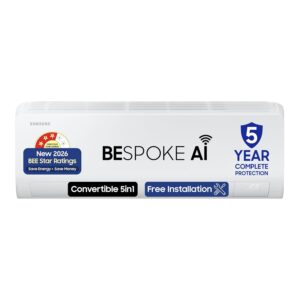
Modern air conditioners mainly use inverter compressor technology.
Inverter vs Non-Inverter AC
In a non-inverter AC, the compressor runs at full speed until the desired temperature is reached and then turns off completely. After the temperature rises again, it turns on again.
In inverter air conditioners, the compressor adjusts its speed depending on the cooling requirement. Once the desired temperature is reached, the compressor slows down instead of switching off completely.
Energy Star Ratings and Electricity Consumption
Energy ratings such as 3-star and 5-star indicate the energy efficiency of the air conditioner. These ratings are determined using the ISEER value (Indian Seasonal Energy Efficiency Ratio).
If you use the AC occasionally or only during summer months, a 3-star AC may be sufficient. However, if you run the AC daily for 8 to 10 hours, a 5-star air conditioner can significantly reduce electricity consumption.
Important Features, Warranty, and Installation
Several additional features and factors should also be considered before purchasing an air conditioner.
Warranty and PCB Protection
A good air conditioner should offer at least 5 years warranty on PCB or a 5-year comprehensive warranty. The PCB (Printed Circuit Board) is the main control unit of the AC and is one of the most expensive parts to replace.
Many brands also offer 10 years compressor warranty, but focusing on PCB warranty is more important because PCB damage is more common due to power fluctuations.
Installation Charges and Smart Features
After purchasing an AC, installation charges may cost around ₹3000 or more depending on the copper pipe length, drainage pipes, and installation stand. Checking installation details before purchase helps avoid unexpected costs.
Modern ACs also offer smart features such as Wi-Fi control, voice assistant support, and mobile app control, allowing users to control the AC remotely.
Conclusion
Buying an air conditioner in 2026 requires understanding several factors including AC type, room size, cooling capacity, inverter technology, energy rating, and brand reliability. Choosing the correct tonnage ensures proper cooling performance while inverter technology helps reduce electricity consumption.
Premium brands such as Daikin, Hitachi, Mitsubishi, and O General offer strong cooling performance, while brands like LG, Samsung, Blue Star, Panasonic, Voltas, and Carrier provide reliable service support. By checking warranty, installation cost, and important features before purchasing, you can choose the best AC for your home without facing problems later.
Simple LPG Gas Saving Tips at Home for Long Month
FAQ
What is the best AC capacity for a bedroom?
For bedrooms up to 120 sq ft, a 1-ton AC is sufficient. For rooms between 120 and 180 sq ft, a 1.5-ton AC works better.
What is the difference between inverter and non-inverter AC?
Inverter AC adjusts compressor speed according to cooling demand, while non-inverter AC works in an on-off cycle.
Which brands are best for air conditioners in 2026?
Popular AC brands include Daikin, Hitachi, Mitsubishi, O General, LG, Samsung, Blue Star, Panasonic, Voltas, and Carrier.
Is a 5-star AC worth buying?
If you use the AC regularly for long hours, a 5-star AC can save electricity and reduce power bills.
Why is PCB warranty important in an AC?
PCB controls the entire AC system. If it gets damaged due to voltage fluctuation, replacement can be expensive, so a longer PCB warranty is important.