Simple LPG Gas Saving Tips at Home for Long Month
Saving LPG gas at home is easy when you follow smart cooking habits and proper planning. Small changes in your daily routine can help reduce gas usage and make your cylinder last longer. Below are simple and practical tips to help you save LPG gas efficiently.
Pre-Preparation Before Cooking
Overview
Before starting cooking, preparing everything in advance helps avoid unnecessary gas usage. Proper planning reduces repeated switching on and off the stove, which wastes gas.
Key Tips
- Cut all vegetables before turning on the stove
- Keep ingredients ready in one place
- Plan what you are going to cook in advance
- Start cooking only after full preparation
FAQ
Q1: Why should I prepare ingredients before cooking?
Preparing ingredients first reduces cooking time and avoids gas wastage.
Q2: Does planning really save gas?
Yes, pre-planning can save around 10–12% of LPG gas.
Use Efficient Cooking Methods
Overview
Choosing the right cooking method plays a big role in saving LPG gas. Using efficient tools and techniques helps cook food faster and reduces fuel consumption.
Key Tips
- Use a pressure cooker whenever possible
- Prefer one-pot meals
- Avoid open cooking like kadai and tawa when not needed
- Open cooking can waste around 12% more gas
FAQ
Q1: Why is a pressure cooker better?
It cooks food faster using less gas.
Q2: Are one-pot meals helpful?
Yes, they reduce cooking time and gas usage.
Smart Usage of Flame and Burner
Overview
Correct use of burner and flame ensures proper gas flow and avoids unnecessary consumption.
Key Tips
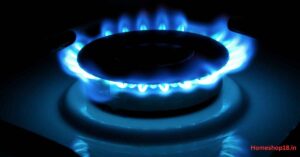
- Always keep the flame blue
- Yellow or orange flame means the burner is dirty
- Clean the burner regularly
- Use the right burner size for the vessel
- Do not use a big burner for a small vessel
FAQ
Q1: What does blue flame indicate?
It shows proper gas flow and efficient burning.
Q2: Why is burner cleaning important?
Dirty burners waste gas and reduce efficiency.
Cooking Techniques to Save Gas
Overview
Using the right cooking techniques can significantly reduce gas consumption while maintaining food quality.
Key Tips
- Cook with lids closed to retain heat
- Soak rice, dals, and legumes before cooking
- Soaking can save up to 30% gas
- Use remaining heat after turning off the flame
- Avoid reheating food multiple times
FAQ
Q1: Why should I soak rice and dal?
Soaking reduces cooking time and saves gas.
Q2: Can leftover heat be used?
Yes, it helps finish cooking without extra gas.
How to Clean and Maintain Home Appliances
Use Alternative Appliances
Overview
Using small appliances for minor tasks reduces dependency on LPG gas and saves fuel.
Key Tips
- Use an induction stove for small cooking
- Use an electric kettle for boiling water
- Use an egg boiler instead of gas
FAQ
Q1: Are electric appliances better than gas?
For small tasks, they help save LPG gas.
Q2: When should I use these appliances?
For boiling, reheating small quantities, and quick tasks.
Batch Cooking and Proper Planning
Overview
Batch cooking and proper planning help avoid repeated gas usage and reduce overall consumption.
Key Tips
- Cook multiple dishes at once
- Avoid turning the stove on and off frequently
- Repeated ignition increases gas consumption
- Plan meals in advance
FAQ
Q1: What is batch cooking?
Cooking multiple items at one time to save gas and time.
Q2: Does frequent switching waste gas?
Yes, it increases gas consumption due to repeated heating.
Additional Simple Tips
Overview
Small daily habits can make a big difference in saving LPG gas over time.
Key Tips
- Use stainless steel cookware for faster heating
- Turn off the cylinder after cooking
- Avoid unnecessary cooking time
FAQ
Q1: Why use stainless steel utensils?
They heat quickly and save gas.
Q2: Should I turn off the cylinder?
Yes, it ensures safety and avoids leakage.